Meanwhile, researchers have explored another alternative detection strategy: Symptoms of lung cancer in dogs.
Canine Lung Cancer Symptoms
As terminal cancer progresses, the symptoms of cancer's early stages will persist.
Dog lung cancer final stages. Stereotactic radiation can slow the progression of primary lung tumors in dogs who cannot have their growths surgically removed. If you are enrolled in hospice, you may be given a hospice comfort kit with supplies that can help. Symptoms of the final stages of lung cancer include:
Some of the common types of cancer in dogs include: It may be time to put down your dog with lung cancer if they are experiencing any of the below signs: Not all symptoms in the final stages of lung cancer are physical.
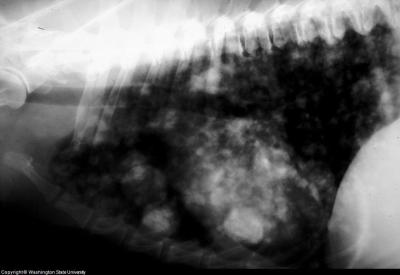
Metastatic lung cancers (cancers that spread to the lungs from other locations) are much more common in dogs than primary lung cancers. Stage iv cancer is marked by a large number of abnormal cells that have progressed beyond the area of origin, such as breast cancer entering the bones or lungs. Pulmonary adenocarcinoma spreads rapidly to other parts of the body, such as lymph nodes, bones, heart, liver, spleen, and brain.
A variety of staging systems exist depending on the type of cancer, so you can’t really define each stage in general. She said i should euthanize my dog if she showed signs of severe respiratory distress such as. The dog will display symptoms such as coughing blood and breathing difficulties, due to the tumors which may affect the trachea.
As the cancer progresses, the most common sign of canine lung cancer is a harsh, nonproductive cough (not coughing up any fluid or mucus). Occasionally, small amounts of blood may be coughed up. At the last stages, the malignant cancer cells which contain fluid may start to build up in the space surrounding the lungs.
Metastatic lung tumors usually present themselves as multiple masses. What symptoms will manifest depends on the type of lung cancer your dog has developed and where exactly it may have spread to. The tumors will also spread to the nearby tissues and blood vessels.
This can cause shortness of breath. While there is a long list of cancers that can impact our furry friends, there are some common ones that are seen often in the veterinary office. To help you make an informed decision on putting your dog to sleep, let us discuss the signs of end stage lung cancer in dogs.
Frequent coughing or coughing up fluid/blood; Canine lung carcinoma stage was i (n = 7), ii (n = 32), iii (n = 24) and iv (n = 8). Common types of cancer in dogs.
The clinical signs are indicative of the lung cancer stage a dog is in, and these stages are… early stage; A loss of bladder and bowel control due to muscles relaxing around the pelvis. Skin that is bluish in color due to slowed blood flow;
When the time comes do you think i will have to put her. Metastatic lung cancer originates in other parts of the body such as a leg bone, the mouth, or the thyroid gland, but has spread to the lung through the bloodstream. Accumulation of mucus in the throat
She is refusing food and is constantly panting due to low blood oxygen. Signs and symptoms of lung cancer in dogs. Pulmonary adenocarcinoma is cancer of the lungs, which can be primary (originates in the lungs) or secondary (originates somewhere else in the body), is a serious disease that can be fatal if not found and treated early.
The vet said she has about a week left. Usually there are no symptoms in the early stages of canine lung cancer. Additional symptoms may include severe weight loss, difficulty eating or drinking, difficulty rising, paralysis, seizures, labored breathing and bruising or ulceration of the skin.
It’s also normal to feel anxious or depressed at this stage. Obstruction or bleeding from the large airways. At this stage, the dog will have several tumors, most of these larger than 5 cm.
As the disease progresses, the symptoms intensify and the need for medical attention increases overnight. On the other hand, if the disease has spread to the thoracic lymph nodes, the dog will likely enter the final stages of his or her life in approximately two months. When lung cancer is caught early, you may not notice any symptoms at all.
Surgery and radiation therapy are the most effective treatments for lung cancer in dogs. • an estimated of 228,820 new cases will be diagnosed in 2020 and 135,720 deaths. Staging of cancer helps your veterinarian identify if the cancer has spread to other locations in the body, which can change both the prognosis and appropriate treatment plan.
Symptoms of lung cancer in dogs include difficulty breathing, weight loss, and lethargy. These metastasized cells form tumors that may not respond to treatment or surgery. Labored breathing that impacts their daily life;
By definition, the final stage of lung cancer means there are no more treatment options and a cure is not possible. Lung cancer staging epidemiology • leading cause of cancer death in the united states. My much loved dog is in the final stages of inoperable lung cancer.
You may only notice a bit of weight loss or low energy levels. Some common physical changes include: A late complication of lung cancer in dogs can be difficulty breathing (dyspnea).
Other clinical signs can be vague, such as: But palliative treatments, used to ease symptoms or improve comfort, may still be used. How do you know when your dog is in severe respiratory distress?
Dogs with stage v lymphoma have systemic involvement of blood, central nervous system and bone marrow. Ask for support from a. The stages of dog cancer.
This is likely attributable to an increased average life span, better detection and awareness, or, possibly, increasing. However, primary lung cancers are being seen more frequently over the last 20 years. • if eligible for targeted therapy 5 year.
Tumors sometimes spread through the airway, which will cause a blockage and subsequent bleeding. The life expectancy and prognosis of a dog with lung cancer depend on.
Tumors can be in the eye, on the surface of the eye, behind the eye, or on the eyelid. The globe cannot be retropulsed.

73 best images about Eye Diseases on Pinterest Puppy
As most people like dogs more than humans, giving dogs the best care is a priority, including being on the lookout for signs of cancer.

Cancer in dogs eye. This cancer sign in dogs often goes unnoticed for too long. Sores, lumps, a strange odor, bleeding, or a change in gum color can be a sign of oral cancer, particularly in older dogs. Most tumors are located on the anterior (front) of the uvea (middle part of the dog eye containing the choroid, ciliary body and iris.
This form of dog cancer is a tumor of the cells that line blood vessels, called endothelial cells. Primary eye cancer in dogs is most often due to melanoma. These melanomas grow from the tissues that make up the uvea (the iris, ciliary body,
New, abnormal growth of tissue in the canine eye can comprise of lesions found in the areas of the eyelid, cornea, conjunctiva, orbit, and other structural sections of the eye such as the iris or ciliary body. Eyelid tumors are the most frequent group of eye tumors in dogs. German shepherds, golden retrievers, portuguese water dogs and labrador retrievers ;
Lymphoma is a type of cancer that affects the lymphatic system. And, in fact, from dog skin cancer to breast cancer, cancer in dogs varies just as it does in people.but knowing some of the common signs of cancer in dogs may just save their life. It is the tumor of cells that line blood vessels, but most commonly affects heart, spleen, liver or skin.
The most frequently diagnosed tumors. Lymphoma is one of the most common cancers in the dog. Melanomas in dogs tend to affect the mouth and lips, and they can also be found on their nail beds, footpads and eyes.
Multicentric lymphoma (affecting many lymph nodes in the Diagnosing eye cancer in dogs can be a complicated process. While many of the following symptoms may be.
Specific signs will depend on where the tumor is located and may include a swollen paw, eye discharge or sores in the mouth. Lymphoma may also cause changes to the eyes and internal organs. Because these tumors tend to be disfiguring as well as irritating to the dog, they are usually surgically removed—a process that is usually successful.
The most common types of cancer in dogs are: Epiphora (eye discharge) is known as a symptom rather than an eye disease. However, half of all cancer in dogs is treatable if it is arrested in its early stages.
The eye may itch, causing your dog to. In the early stages of eye melanoma in dogs, it appears to be an iris freckle, an obvious spot which usually does not disturbs the anatomy and thickness of the iris, but may be a single freckle or many freckles and is either unilateral (in one eye) or bilateral (both dog eyes). Melanoma is somewhat unique among cancers in that it spans the spectrum from benign when found in the haired skin of pets to deadly when it occurs in the toes or mouths of dogs.
Vet bills can sneak up on you. This is one of the most dangerous tumors in dogs. When cancer spreads to the eye from another part of the body, it's usually a type of cancer known as lymphosarcoma, which spreads through the lymph glands.
Eyelid masses in dogs are mostly adenomas or adenocarcinomas that arise from the meibomian glands. Orbital neoplasms in dogs produce exophthalmia, conjunctival and eyelid swelling, strabismus, and exposure keratitis. Many dogs will experience enlargement of the lymph nodes in one or more parts of the body.
Adenomas and adenocarcinomas of the meibomian gland are the most common lid neoplasms (~60%) in older dogs.1 references eyelid neoplasms are the most frequent type of ophthalmic neoplasms in dogs. Both upper and lower eyelids can be affected. Depending on the action of the cells within, these growths may appear to grow or shrink—even over the course of one day.
Symptoms of canine eye cancer. Your vet will likely also order a complete blood profile, a complete blood count, and an electrolyte panel to look for increased white blood cells indicating your dog's body is. Epiphora in dogs is characterized by continuous tearing.
Because ~90% of the neoplasms are malignant and ~75% arise within the orbit, the prognosis for longterm survival is often poor. While there is a long list of cancers that can impact our furry friends, there are some common ones that are seen often in the veterinary office. Uveal melanomas are the most common primary intraocular tumor in dogs.
Now that you understand how different each situation can be based on the dog in question, let’s get into the common types of cancer in dogs. They may also cause intraocular bleeding with hyphema (a pooling of blood in the middle layer of the eye), uveitis (inflammation of the middle layer of the eye) that makes the eye appear cloudy, or glaucoma (increased pressure within the eyeball), a painful condition that will cause the eye to bulge and can lead to blindness. In another form of early presentation, canine eye melanoma appears to be a dark and smooth, but nodular body.
Usually, there is no pain. Another name for osteosarcoma is bone cancer. Signs of pain with glaucoma may include squinting, head.
Common types of cancer in dogs. Mast cell tumors are usually skin growths that may be confusing. Adenoma (a benign tumor) and adenocarcinoma (a malignant tumor) of the meibomian glands in the eyelid are the most common lid tumors.
Malignant lymphoma is one of the most common types of cancer that affects dogs. Often, the growths are noticed due to redness and sometimes ulceration of the area. Signs of oral cancers include bad breath, blood in the saliva, decreased appetite, and difficulty in chewing or swallowing.
Some of the common types of cancer in dogs include:. Dogs with eye tumors may experience inflammation and excess tear production. Canine eyelid tumors are usually not cancerous and do not spread to other parts of the dog.
This is commonly considered to be an aesthetic problem, but can also be a symptoms or sign of a foreign object stuck in a dog’s eye, which is why. This constant moisture can cause the eye area to swell and become infected. Tumor of the eye in dogs can also be described as ocular neoplasia.
According to pet md, your vet will begin by performing a complete eye exam on your dog, during which they'll test the pressure in your dog's eye.