Perhaps your older dog is having difficulty getting to the water bowl and a water container closer to his favorite sleeping spot could be a better option. If this is the case for your canine companion, then it’s possible that they lick the bed before going to sleep to relax.

Why Does My Dog Lick Me? Bed and Biscuit Austin
Some dogs lick their beds as a sign of affection and love.

Why does my senior dog lick his bed. If your dog is licking the carpet because they’re stressed, it could be a sign of separation anxiety. Why does my dog lick my bed? Why does my dog lick the bed at night?
These behaviors are diversionary and are often a sign of stress. It also may be a compulsive behavior. However, a dog may lick the bed simply because they are bored or lonely, and it is a behavior that temporarily satisfies them.
Some pet medicines, changes in diet or increased consumption of human food can trigger nausea and the dog may lick the bed to overcome it. Urinary tract infection or bladder stones/crystals. Licking can also alert you to neurological conditions or anxiety as your older dog becomes disorientated.
It is likely that your dog is licking to analyze the area, get a taste of something (like sweat or from a scent). Why does my dog lick his bed? He might be hungry, agitated, or irritated.
There are a number of things that you can consider when trying to figure out why your dog licks your bed. Some dogs lick their beds because they’re nervous or anxious. Here are some of the more common problems:
Dogs’ brains are also affected as they age older, which may cause them to develop canine cognitive dysfunction. Alternatively, it could be a behavioral issue or a sign of loneliness. Licking the bed might indicate a dog’s depression, anxiety, or even a health issue.
Maybe, with only good intentions in mind, you've overdone his exercise routine and he's licking his legs. A dog, especially an older one who's getting on in years, can lick before he goes to sleep in an attempt to alleviate pain. Your dog licks the bedsheets to help them understand the world.
Pain can happen in a younger dog too. It could be a sign of the onset of a medical condition or dementia. Dogs with a bladder infection or stone/crystal material may lick the penis or vulva for an extended period after urinating or may lick between eliminations.
We also bought a ‘waterproof’ zip up cover for the bed in hopes that the bed itself would never get totally ruined. There’s no harm in a dog licking his bed, but if the activity becomes excessive, you may need to intervene. Why does my dog lick the bedsheets?
He may, on the other hand, just enjoy the taste and fragrance of his bed. Why does my dog lick the bed at night? If you pay attention to your dog when he licks his bed, you may be providing the attention your pet craves.
It’s hard for us to imagine exploring the world with different primary senses, but your dog uses their snout and mouth the way we use our eyes and fingertips. Your dog licks your bed for reasons such as liking its smell, feeling hunger or stress, being territorial, having anxiety or other medical conditions, you’re changing their diet, it’s soothing for them, they’re looking for. We bought a ‘waterproof’ crib mattress pad to slip on top of the dog bed which helps to keep the cover clean and stays in place pretty well.
If your dog is involved in something repeatedly, it’s usually an indication that something’s not right. This is the dog’s way of dealing with their emotions. It could also be that you have been inadvertently rewarding the behavior, it makes it feel more secure or that it is compulsive behavior.
Dogs often have their pups lick their beds to clean their bodies. An underlying medical condition such as gastrointestinal problems may cause your pet to lick strange surfaces like your bed to get some relief. Liver problems or a neurological disorder can also make your pooch lick surfaces.
A common reason your dog will lick your bed is that it likes the taste. If you notice that if he begins licking around the time you normally leave or any time you prepare for an outing, separation anxiety might be the cause. Other strange behavior includes pace, barking and chewing.
Using the tongue to help aid the sense of smell is a very normal doggy thing to do. Licking can also manifest as a symptom of anxiety, stress or boredom. Let’s explore why dogs lick the bed, and why many of them do it so frequently.
Dehydration can be a contributing factor in causing lip licking in an older dog. Why does my elderly dog lick the floor? Some dogs will usually lick sheets, carpet, or other surfaces in your home for comfort.
Excessive licking is linked to nausea, seizures, loss of sight and hearing as well as an obsessivecompulsive disorder. Why does my dog lick the bed sheets? Whether your dog likes to lick your bed or his own is already a strange enough behavior, but what if they also have a preferred time, like at night?
Your bed, the couch or his paw are his means of dispelling negative emotions, most commonly stress or anxiety. If you notice your dog licking his bed excessively, it may be a sign he’s feeling stressed out about something in his environment. Arthritis and rheumatism are not just human afflictions, they can also affect dogs.
Licking, including a dog licking his bed excessively, can be a form of self soothing — licking releases endorphins, which make him feel better. Why does my dog lick sheets/rugs? A dog might lick her bed due to biological reasons.
Take note of when your dog is licking; They may urinate more frequently and may strain to urinate. One factor to take into consideration why dogs lick their beds is their age.
Your dog probably singled out the couches, carpet and beds for acceptable reasons before the behavior became obsessive or compulsive, and it has since escalated. If your dog just given birth to pups and is wiping her bed in response to the biological need to keep her puppies’ surroundings neat. Your dog may lick the bed at night for a variety of reasons.
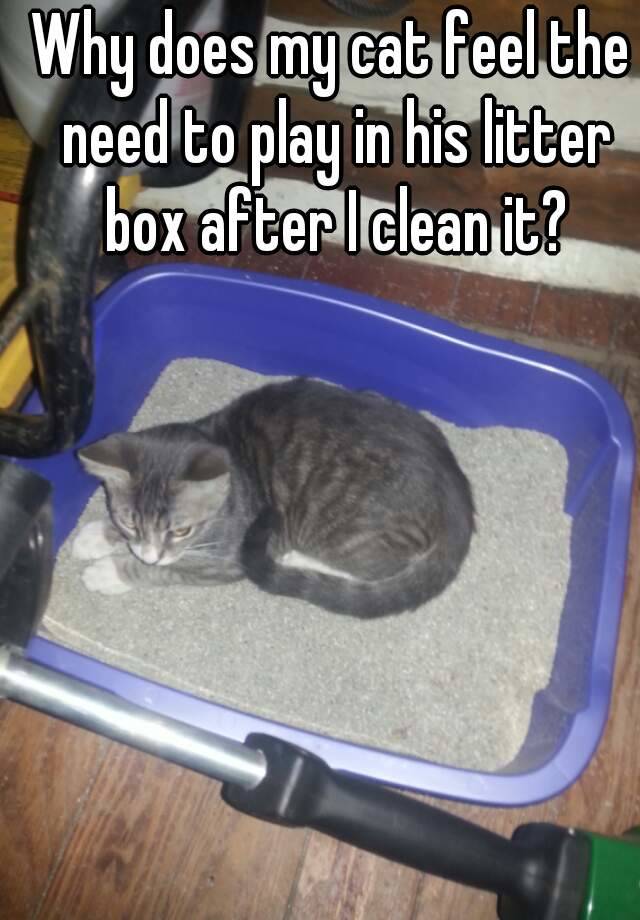
There are a lot of reasons why your cat may choose to lay in their litter box, they may feel safe there, they may be looking for some privacy and that’s the only place they feel they can find any, they may feel sick or they may just be a bit confused if you’ve recently changed your cat litter. According to the journal of the american veterinary association , over 90% of cats over 12 years.
Why Is My Cat Laying In His Litter Box Cats World Club
Why is my cat lying in the litter box?

Why is my senior cat laying in the litter box. Why do older cats sleep in their litter box? Sleeping in a litter box is unlikely to make your cat sick but could be a sign that they are already poorly or not quite themselves. Cats with kidney disease urinary tract infections constipation or other digestive problems may.
When your cat’s litter box habits change, take notice. A cat that finds herself under excess stress may hunker down in her litter box because it is a convenient place to hide, it makes them feel more secure, and because it smells like them and is, thus, familiar to them. It may have a variety of emotions and needs.
Cats with kidney disease, urinary tract infections, constipation, or other digestive problems may sleep in their litter box when they’re not feeling well. Top best answers to the question «why is my dog laying in the cat litter box» answered by jacinthe buckridge on sat, apr 3, 2021 11:28 am when it comes to the dog eating a cat's feces, it could be caused by boredom, it could be a playful behavior (gross, but playful), or it could be that the cat feces holds nutritive value. Cats, however, can be incredibly possessive.
It's not so much in these cases that the cat is sleeping in the litter box, but they may spend a very long time in the box because they're straining to go. Also, cats are so sure to keep themselves clean. Like aesop's dog in the manger, a cat might lay in a litter box for no reason other than to keep others from using it.
If your cat has the urge to use the litter box frequently due to stomach upsets or frequent urination he will likely hang around the litter box. Your cat could be lying in the litter box because of: One of the most common reasons why cats sleep in their litter box is because of medical issues.
Below are 7 reasons why your cat may be laying in their litter and what you can do to help them: One of the most common reasons why cats sleep in their litter box is because of medical issues. Sleeping in the litter box can indicate that your cat is uncomfortable.
If playback doesn't begin shortly, try restarting your device. However, it might be astonishing to see your senior cat laying in the litter box. Videos you watch may be added to the tv's watch history and influence tv.
Senior cats may sleep in their litter box due to mobility issues. If senior cats feel unsafe, cats start to seek out a territory that smells like them. By pinpointing the exact reason, you can take measures to ensure your cat stays out of its litter box and lies in a cleaner and more hygienic place.
Possible reasons why your cat is lying in the litter box 1. Sleeping in the litter box can indicate that your cat is uncomfortable. Of course, cat litter is the most minor and.
In other cases, the cat who is often bullied at home will also sleep in the litter box because it is afraid that once it leaves, it will never get a chance to come back. Cats tend to hide when they’re sick or stressed, and litter boxes, particularly covered ones, are good, familiar spots for a cat to hide in. So remember to have one more litter box than the number of cats in your home to prevent fights over the litter box or the habit of sleeping in the litter box.
This can be the result of a urinary infection, or crystal formation in the urine that prevents the cat from urinating properly, or because of a type of intestinal discomfort, which makes the cat feel insecure when he is far from his litter box. Why is my senior cat laying in the litter box. Cats with kidney disease, urinary tract infections, constipation, or other digestive problems may sleep in their litter box when theyre not feeling well.
If your cat is spending more time in their litter box, they may. There are several reasons behind if your senior cat is lying in the litter box. It will also relieve discomfort and itching by removing the layer of fur.
So, your cat may be doing this for many different reasons. Cats won't tell you they feel bad because they're genetically p. The reason your cat may stay in the box and lay there is because when they’re not feeling well, the litter box may feel like a safe place to be.
Your cat may be playing in the litter box when it gets bored or stressed. A case of the dog (cat) in the manger (litter box) ok, outside of an unthinkable apocalyptic scenario, it's unlikely you'll ever have to guard your bathroom to keep others away from it. The need for personal space.
The most common reason for this is arthritis, which is especially common in older felines. If the behavior started suddenly, have a vet rule out a medical problem first and then take note if anything significant has happened in the cat’s life, such as a new pet entering the home or the loss of a companion. If youve ever wondered why is my cat laying in the litter box below.
Things like giving them a cozy box with blankets and pheromones to nap in instead of the litter box may be all these cats need. Your cat may be lying in the litter box because it’s highly stressed. The main reason why adult cats sleep in the litter box is kidney disease.
One of the most common medical reasons behind cats laying in the litter box is urinary tract infections. Cats may poop on the floor because of a medical condition, stress, or because the litter box is dirty. It is not particularly hygienic though, especially if they alternate this with sleeping on your bed or your sofa, so you might want to take some steps to discourage your cat from sleeping in his tray.
In the wild, cats will dust bathe to remove dirt and bacteria.