The treatment for mange is made up of three basic components: However, this skin disease caused by parasites may not respond to borax, and your dog may need additional treatment.
Borax Peroxide. Ted's Borax Remedies

Powder won't dissolve anymore, a little is settled on the bottom).

Hydrogen peroxide and borax for mange in dogs. Multiply the amount needed for medium or large dogs. Both borax and hydrogen peroxide acts as natural disinfectant that used to kill the insects, worms and fungi. In any event vinegar is a good standby and dip is the better than a paste, if a dog tub is available, so i won't use so much of the vinegar and peroxide compared against a much.
The oil will kill any remaining mites and condition the dog's dry skin caused by the mange infection. Mix together 2 cups of 1 percent hydrogen peroxide with 1 or 2 tablespoons of borax. Hydrogen peroxide is a natural disinfectant and when you apply it to your dog's coat it helps to kill the mites that cause mange.
Be careful to use borax and not boric acid! Keep adding borax until solution is saturated (i.e. Sponge bathing your dog with a borax and hydrogen peroxide solution is a popular treatment for mange.
Tea tree or neem oil. Don’t rinse your dog or towel dry. Borax effectively kills fungi as well as insects.
Hydrogen peroxide, borax, and water. When combined in the appropriate ratio, these three components create an effective disinfectant for your dog. You can place the mixture into a spray bottle and wash your dog in it once a week.
In addition to this effective treatment, our readers have also reported that borax is helpful as a rinse to treat other 'itchy skin' problems that their dogs are having. When combined in the appropriate ratio, these three components create an effective disinfectant for your dog. Borax is a natural mineral comprising of sodium, boron, oxygen and water and it has the capacity to kill mites by reaching into the epidermis layer of the skin where the mange mites harbor themselves.
While sarcoptic mange itself can't kill a dog , the dog's health can deteriorate quickly if it gets a serious infection or stops eating or sleeping, so, in this case, immediate veterinary care may be needed. The treatment for mange is made up of three basic components: I add the borax prior to adding the two parts water.) and spray this on your dogs paws.
A cat or smaller dog’s “recipe” starts with about 2 cups of warm water; Hydrogen peroxide and borax together might help resolve the mange mites and heal the skin sores. There is more than one cause of mange, and the treatment differs.
Hydrogen peroxide, borax, and water. A bath with a mixture of this can remedy mange. Don’t rinse your dog or towel dry.
Hydrogen peroxide and borax both are a good source of disinfectant and cleansing. Hydrogen peroxide and borax sponge bathing your dog with a borax and hydrogen peroxide solution is a popular treatment for mange. How do you mix borax and peroxide for mange?
Hydrogen peroxide, on the other hand, is a natural cleanser and disinfectant and creates an environment where the mites can’t survive. What you have to do: Applying these treatments on a regular basis may help rid your dog of mange, and on a weekly basis could keep it from.
If you can't then at least fix up a spray bottle of the solution, making sure you dilute the hydrogen peroxide ( one part peroxide ~ two parts water. Applying olive oil directly to the affected areas can soothe the tender skin might help rid the area of the mange mites. The borax is effective at killing fungi and insects.
This is how you make the borax/hydrogen peroxide mange treatment solution. Borax with hydrogen peroxide for mange a guide for treating a dog with mange all ya do is sponge a borax/peroxide solution on to the affected area and let it dry without […] reply myra weeks , on may 16, 2009 at 8:05 am said: You can place the mixture into a spray bottle and wash your dog in it once a week.
Borax for dogs with mange or a combination of borax and hydrogen peroxide is sometimes suggested as a home remedy. If your dog is suffering from any mange, consider using the following natural remedies for mange: Will mange kill a dog?
The mixture of both things can be very beneficial for killing bacteria and fungus causes of mange. They cleanse the dog’s skin and make the mite unable to survive by simply creating a hostile environment. Add borax powder and stir it in.
Hydrogen peroxide and borax together might help resolve the mange mites and heal the skin sores. Hydrogen peroxide and borax treatment. Apply the mixture to the dog's skin and let dry.
Dissolve 1 to 2 tablespoons of borax into every 16 ounces of hydrogen peroxide. But borax on its own can be too strong for your pet, so it is best to mix it with hydrogen peroxide and water. Dissolve 1 to 2 tablespoons of borax into every 16 ounces of hydrogen peroxide.
One of the most popular remedies in earth clinic's pet section is ted's hydrogen peroxide and borax treatment for mange. Hydrogen peroxide and borax together might help resolve the mange mites and heal the skin sores. Mix hydrogen peroxide (natural cleanser).
When used properly, a combination of borax and hydrogen peroxide works as one of the best and effective natural remedies for mange. Combine 1 part hydrogen peroxide (3%) to 2 parts water so the peroxide is 1%. As used properly, a borax and hydrogen peroxide combination acts as one of the effective and best home remedies for mange in dogs.
Let the solution dry naturally so it can be absorbed into the skin. Hydrogen peroxide functions as a natural disinfectant and cleanser. This is how you make the borax/hydrogen peroxide mange treatment solution.
Therefore i would much prefer to use a hydrogen peroxide 1% and borax as a 30 minute dip without the vinegar, but should itching persists i may add vinegar to make the mix more agressive. Mixing hydrogen peroxide and water is one of the most effective means of getting rid of mange. Borax for demodectic and sarcoptic mange
After that clean up her wound using hydrogen peroxide, but don’t use it to much as it could damage her tissue. There is a myth that it's healthy for a cat to lick a wound.
48 Best Photos Cat Fight Wounds Home Treatment Bite

However, for good measure, it is best to treat this type of cat tail injury by cleaning it with hydrogen peroxide.
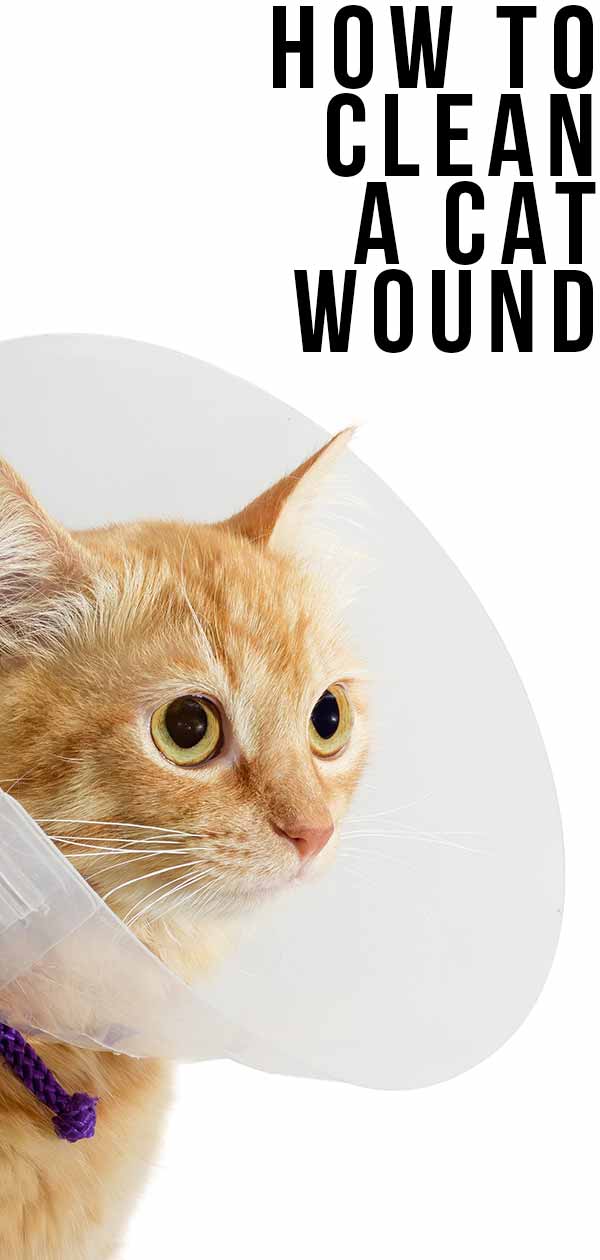
Treat cat wound peroxide. If your cat has sustained serious fight wounds, get help immediately from an emergency vet. The process of cleaning and disinfection must take place every day for least one week or more, according to advice from the veterinarian. Be very gentle when cleaning the affected part as it can sting.
This website has a first aid kit for cats and it lists some of the various things you can use to clean a wound. The ratio should be one part hydrogen peroxide to five parts water. It is safe, but there are better things to use.
Daily bandage changes, as demonstrated by your veterinarian, may be required if there is a lot of discharge from the wound. If you're dealing with a minor cat bite from a cat that you know is vaccinated, you can treat it at home instead. You can clean a cat wound with a solution of soapy water, or you can use an antibacterial product.
I simply flushed them out with peroxide, applied some betadine and gave him amoxycillin antibiotic orally to heal any infection and he's doing good. We must do this because human ph is different from that of cats. If the laceration is long or deep, or if it is a puncture wound, you can clean around the edges as already described, but do not flush the wound itself.
You should rinse out the fresh wounds and punctures with large amounts of this solution: My cat has a hole with maggots in it's tail. You could also wash your hands well afterwards, and then spray your hands with 3% hydrogen peroxide.
Then, saturate a cotton ball or piece of gauze with the solution. Then, disinfect the area by swabbing it with a cotton ball dipped in rubbing alcohol or hydrogen peroxide. First, thoroughly wash the area with soap and water.
Povidone should be diluted to the color of weak tea; The good thing is that abrasions can heal on their own. However, if the cat is trying to lick or chew the wound then it needs to be covered.
Then put a gloves in your hands to proceed the remedies. Most wounds are best left open to the air, so do not attempt to bandage or cover a small, insignificant wound. 1 pint water, 1/2 teaspoon salt, and 1/2 teaspoon echinacea/goldenseal tincture.
Do not clean the wound with hydrogen peroxide, witch hazel, or alcohol. the wound may be bandaged to protect it from further contamination, or to prevent your cat from excessively licking it. Can i use hydrogen peroxide on my cat? If you are cleaning infected cuts or doing cat abscess home treatment, it’s a good idea to keep yourself as clean as you can.
It is sometimes okay to rinse the wound with diluted hydrogen peroxide and water if nothing else is available; In these cases, the healing of the wound may be compromised. If the cut is older and scab over, clean the wound using a cotton swab dipped in hydrogen peroxide diluted with water.
A way of speeding up the cure of your cat's injury is to use creams to accelerate healing. While hydrogen peroxide is something that humans often reach for in their medicine cabinet, it's not a good choice for using on a cat. As a result, your pet will become more susceptible to infection as it will slow down the natural healing process.
Chlorhexidine should be diluted to pale blue. One way to do this would be to wear rubber gloves (a new pair each time). More harm than good can be done if it’s tied too tightly.
If you do use hydrogen peroxide, make sure that you dilute it with water on a one to one basis. Do not use alcohol or hydrogen peroxide on the wounds, as these will actually damage the tissue. In fact, hydrogen peroxide slows wound healing and damages skin cells or fibroblasts—the active connective tissue cell that helps tremendously in wound healing.
“what’s wrong with my cat or kitten?”; Wounds can be cleaned by flushing them with hydrogen peroxide as an alternative to washing with soap and water. The use of hydrogen peroxide on wounds can also damage delicate tissues, but it is not recommended for cats.
Then after clean it up, mix up water, salt, and echinecia/goldenseal ticnture, soak them to. When the peroxide is killing off the bacteria, it is also killing the very cells that your pet’s body is counting on to heal the wound. Otherwise, if it’s out of hours and the wounds are superficial, you can treat them at home and take your cat in the next day.
Even on humans, hydrogen peroxide and rubbing alcohol are damaging to the cells on the wound that are trying to regrow and heal. Hydrogen peroxide may have many beneficial uses for wound care, but unfortunately, it should not be used on cat abscess and abrasions. Never heard of putting the powder directly to the wound though.
It is not recommended to use hydrogen peroxide on wounds on dogs or cats since it will sting and cause tissue damage. The bubbling of the peroxide does disinfect the wounds, but dr. However, undiluted hydrogen peroxide is actually cytotoxic and can damage tissue.
If your cat has been in a fight with another cat or animal or injured in some other way, it's important to understand the basic process for treating cat wounds.from identifying the site of the wound to properly and safely cleaning and treating it,. If you don’t have hydrogen peroxide, clean the wound with warm water and mild soap. To be safe, check with your cat's veterinarian to determine if hydrogen peroxide is a good choice for your cat's wound.
To treat a wound, cover it with a warm compress to loosen any fur and dried blood. This is the main reason why continued wound care with hydrogen peroxide isn’t the best choice. Don’t attempt to apply a tourniquet to your cat when she is bleeding.
Is it okay to use hydrogen peroxide on my cat? Might try that if i see any more. These cells are call fibroblasts and they are a crucial component to proper wound healing.
Instead, use an antibacterial product like vetricyn, which is designed for animals. You should avoid using hydrogen peroxide to clean a cat’s wound as it will sting the cat and it can damage the skin tissue around the wound. Dilute hydrogen peroxide if using.
What can i put on my cats wound home remedy?